PORTFOLIO – ERICA SKLENARS
ORACLE 2.0
VIDEO GAME WORLD
PLANET OBSOLESCENCE
HORSE ⾺
ONLY GIRL IN THE WORLD
NOM*d – JEEPERS CREEPERS
SURVEILLANCE CRADLE TESTS
AUGMENTED GEOMETRIES
WETA DIGITAL EVENTS
ORACLE 2.0.
SITE SPECIFIC INTERACTIVE EXPERIENCE
TEAM:
Creator / Director / Project Manager – Erica Sklenars
Animation / facial tracking – Rachel Neser
Sound Design – Samuel Lovrich-Fitzpatrick
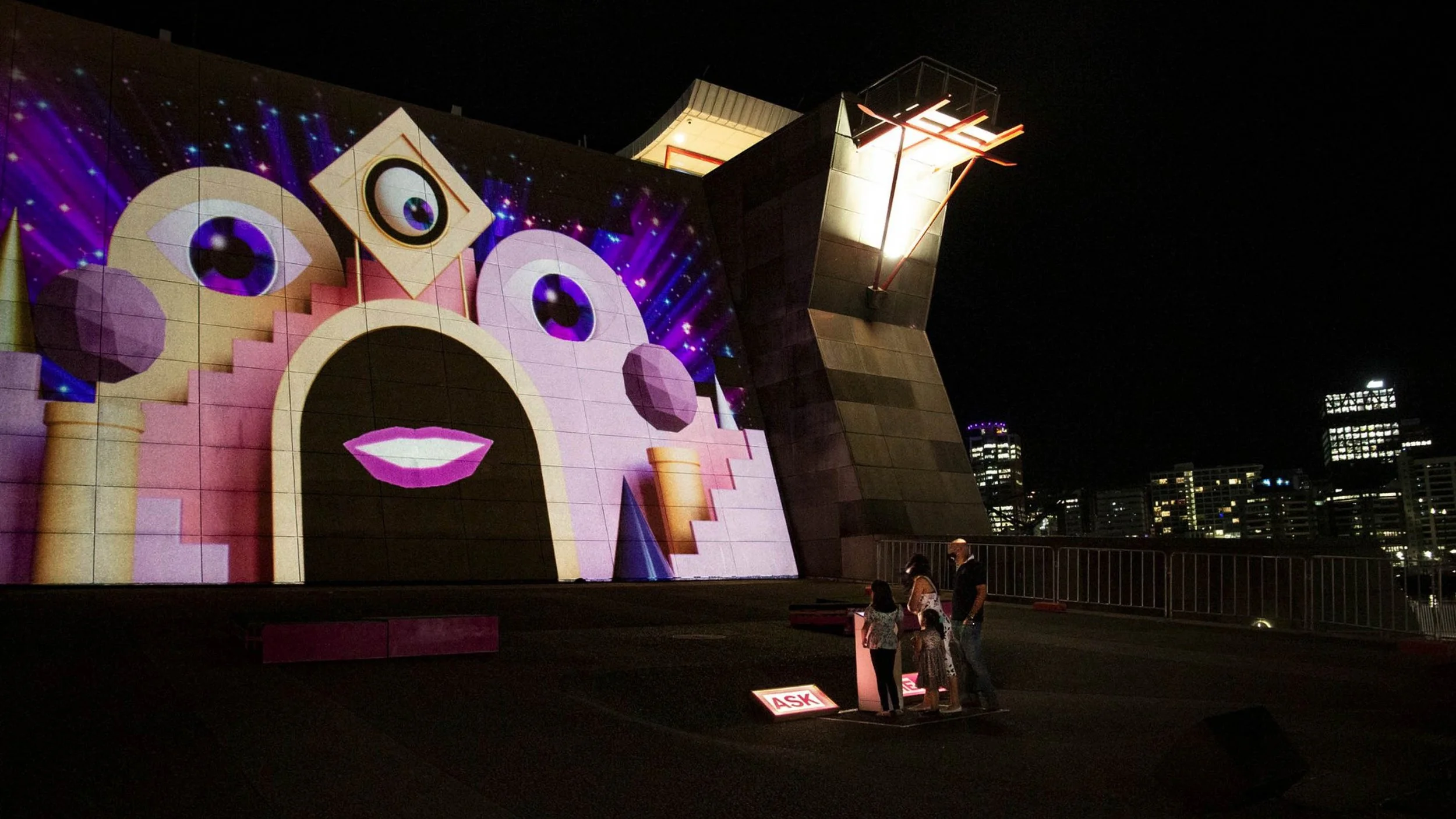
Oracle 2.0 is an omniscient code-generated being who lives in cyberspace. From time to time, she takes on the form of an architectural structure so she can be comprehensible for humans in the physical realm. Despite her god-like appearance, Oracle 2.0 is completely aware she was created by humans and therefore her knowledge is limited to collective human knowledge.
PROJECT DESCRIPTION:
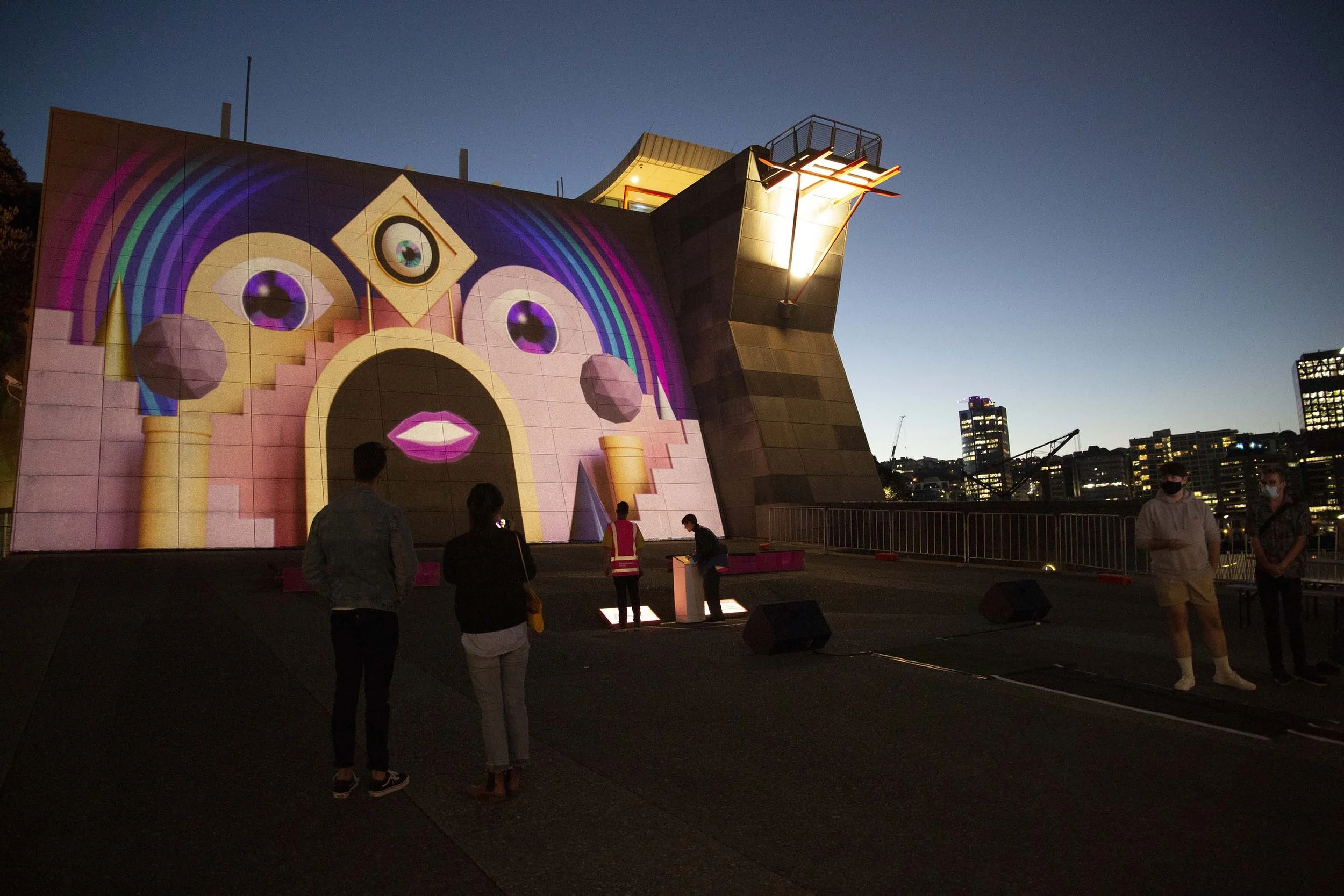
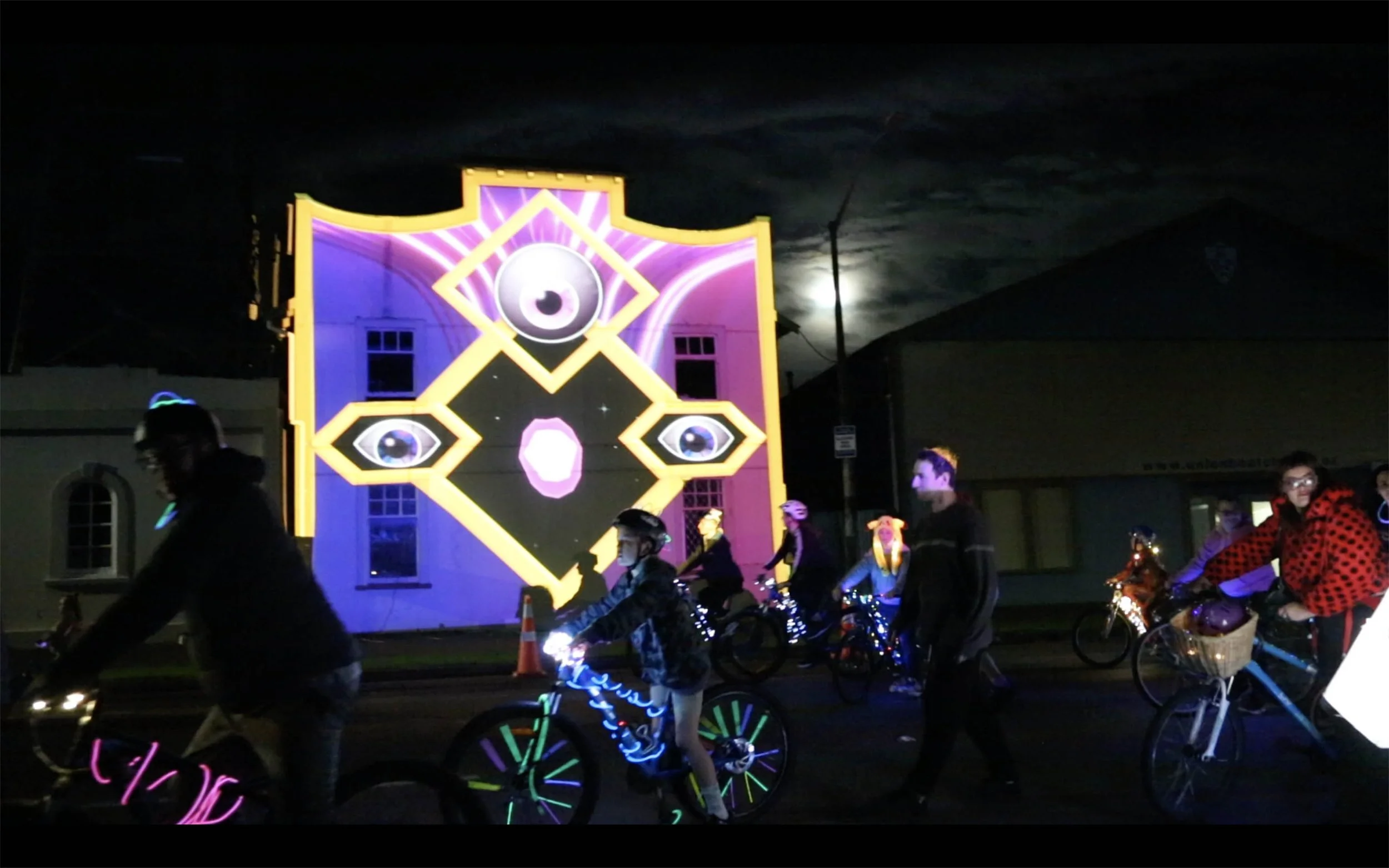
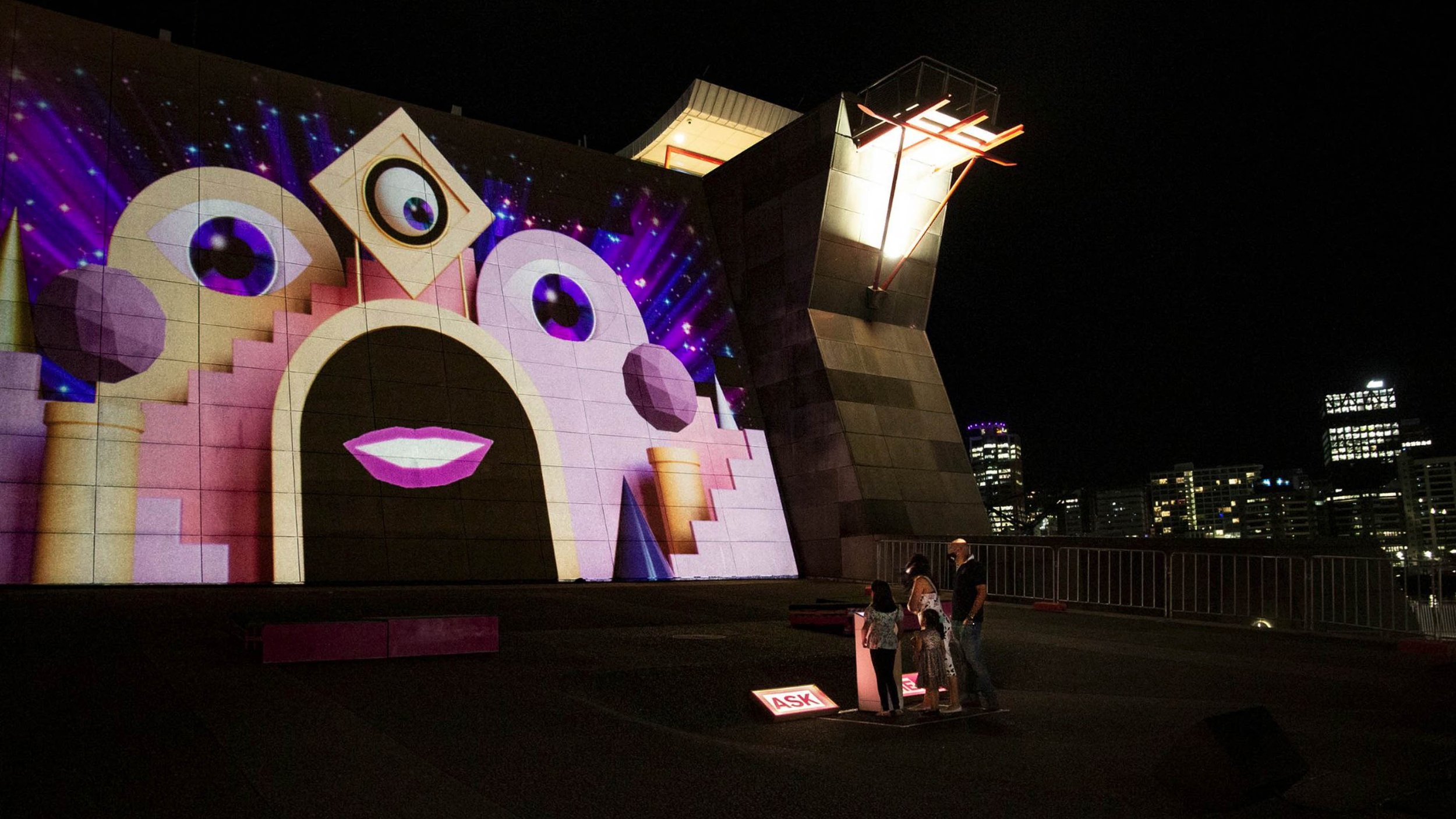
Oracle 2.0 is a colossal, outdoor projection-mapped character that audiences can engage with by asking questions in real time. In this site-specific public intervention, a giant animated face is projected onto an architectural structure, designed and mapped in response to the architecture. Audience members stand at an “altar station” where they can verbally ask questions and converse with Oracle 2.0.
WoZ ILLUSION
While Oracle 2.0 appears to be a sophisticated AI chatbot, in reality a human actor is stationed nearby, with facial tracking technology creating the animated face, voice distortion, and triggered emoji animations. The concept is inspired by the classic 1939 film The Wizard of Oz, where the protagonists journey to find answers to their existential questions. When they reach their destination, they are presented with a larger-than-life installation representing The Wizard, which in reality is a projection controlled by a small, frail man hiding behind it.
Wizard of Oz (WoZ) testing is a also user research method used by developers, where a human operator secretly controls a prototype's functionality to simulate a fully developed, often AI-powered, system.
By combining digital rendering of video and audio with live human performance, this installation explores how it can be difficult to discern the difference between AI and human interaction in our increasingly digital lives.
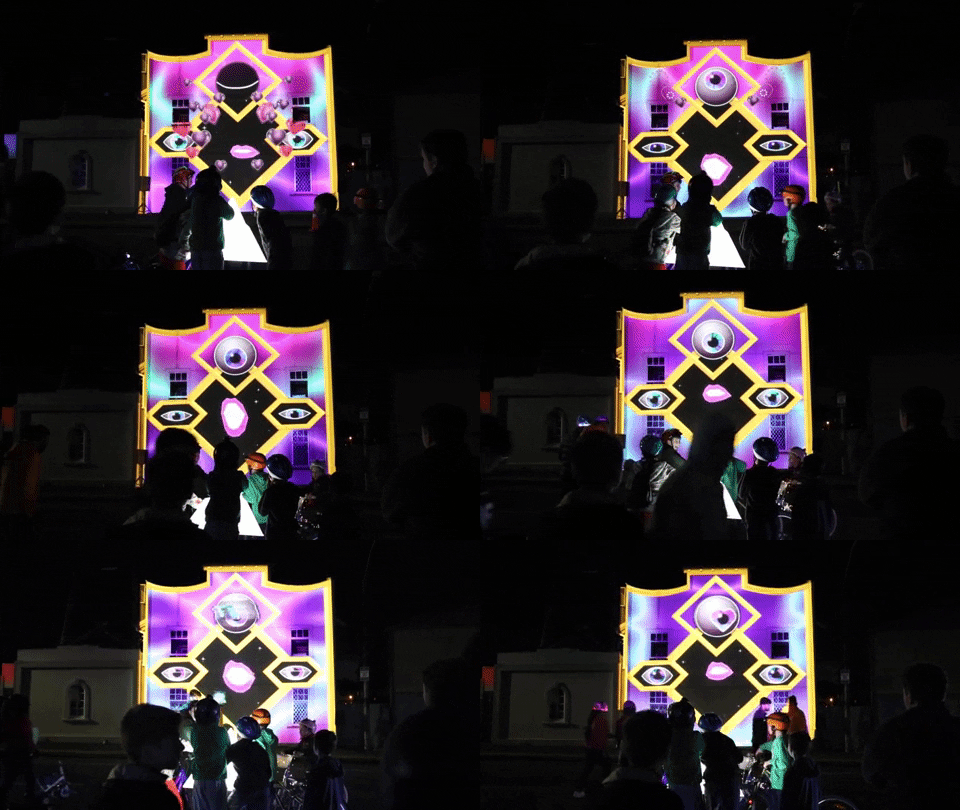
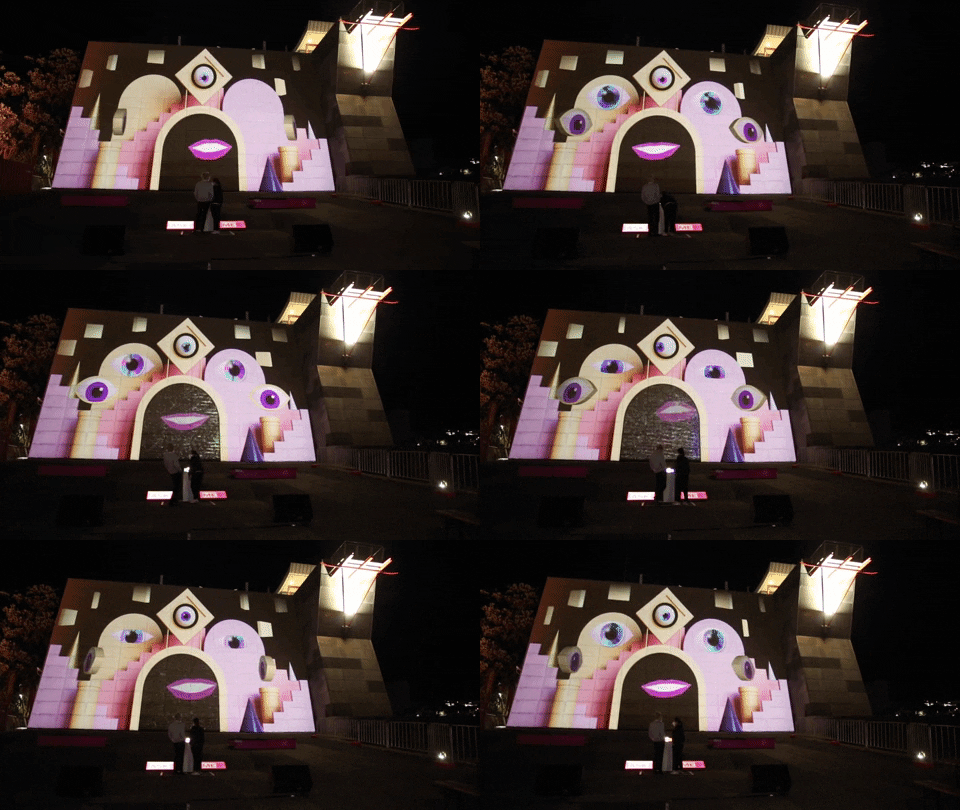
ITERATIONS: Whanganui 2021, Lights on Bikes Festival (LEFT)
Pōneke / Wellington 2022, Te Papa, The Performance Arcade (RIGHT)
INSIGHTS:
At the time this was shown (2021/2022) LLMs were nowhere near as sophisticated as it is today, however the audience generally believed it to be AI. They would receive charmingly/unsettlingly human answers and interactions, with a wealth of local knowledge, slang and Te Reo. We plan to hold a third iteration of ORACLE 2.0 in 2026/2027, to see how audience perceptions and interactions may have changed.
Each of the previous iterations were in very different environments, yielding vastly different results in terms of mood, audience interaction and questions. The actor was able to adapt and respond accordingly.
VIDEO GAME WORLD
SITE SPECIFIC IMMERSIVE EXPERIENCE
ROLE: Creative Director / Spacial Design / Project Manager
Immersive experience including projection mapped sculptures and holographic projections for Disasteradio concert
New New New Corporation, Ōtepoti / Dunedin.
Disasteradio makes idiosyncratic, futurist computer pop reminiscent of vintage computer games, so I designed the space to reflect these themes and make audiences feel immersed in a pixelated nostalgia trip.
PLANET OBSOLESCENCE
PROJECT DESCRIPTION:
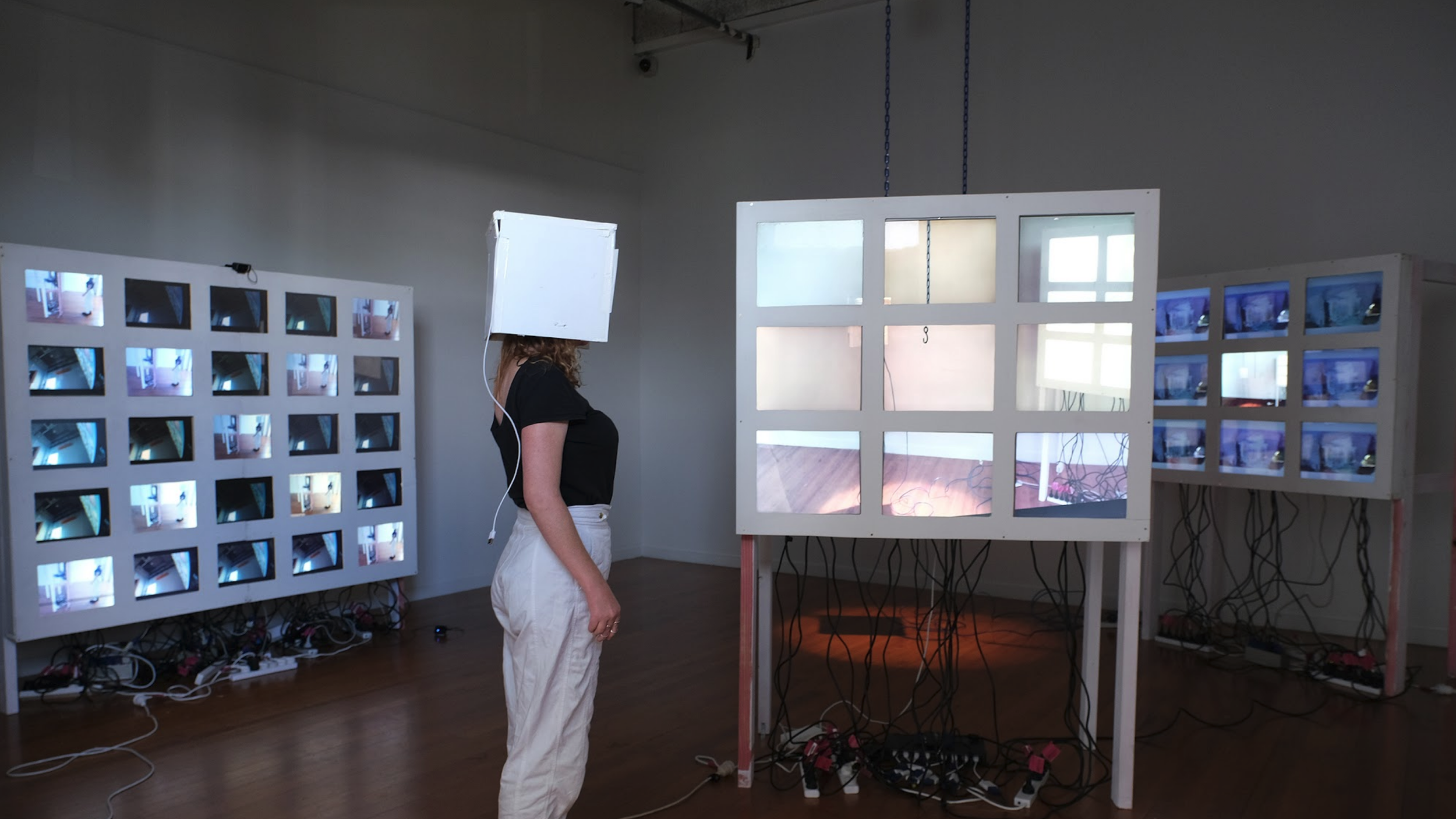
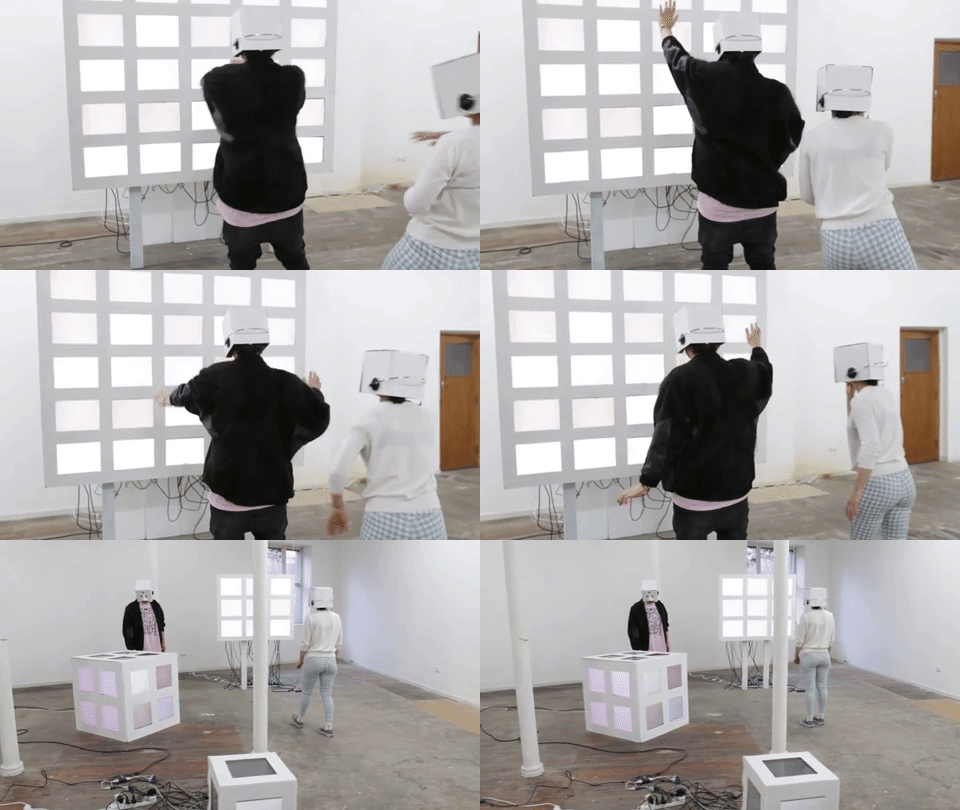
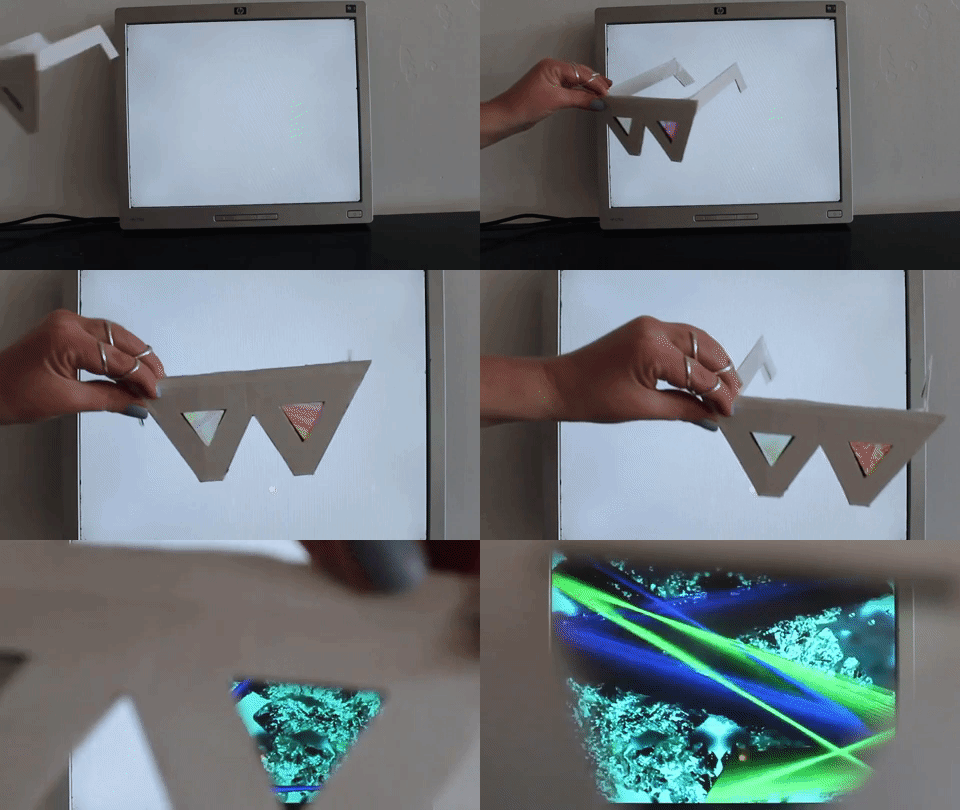
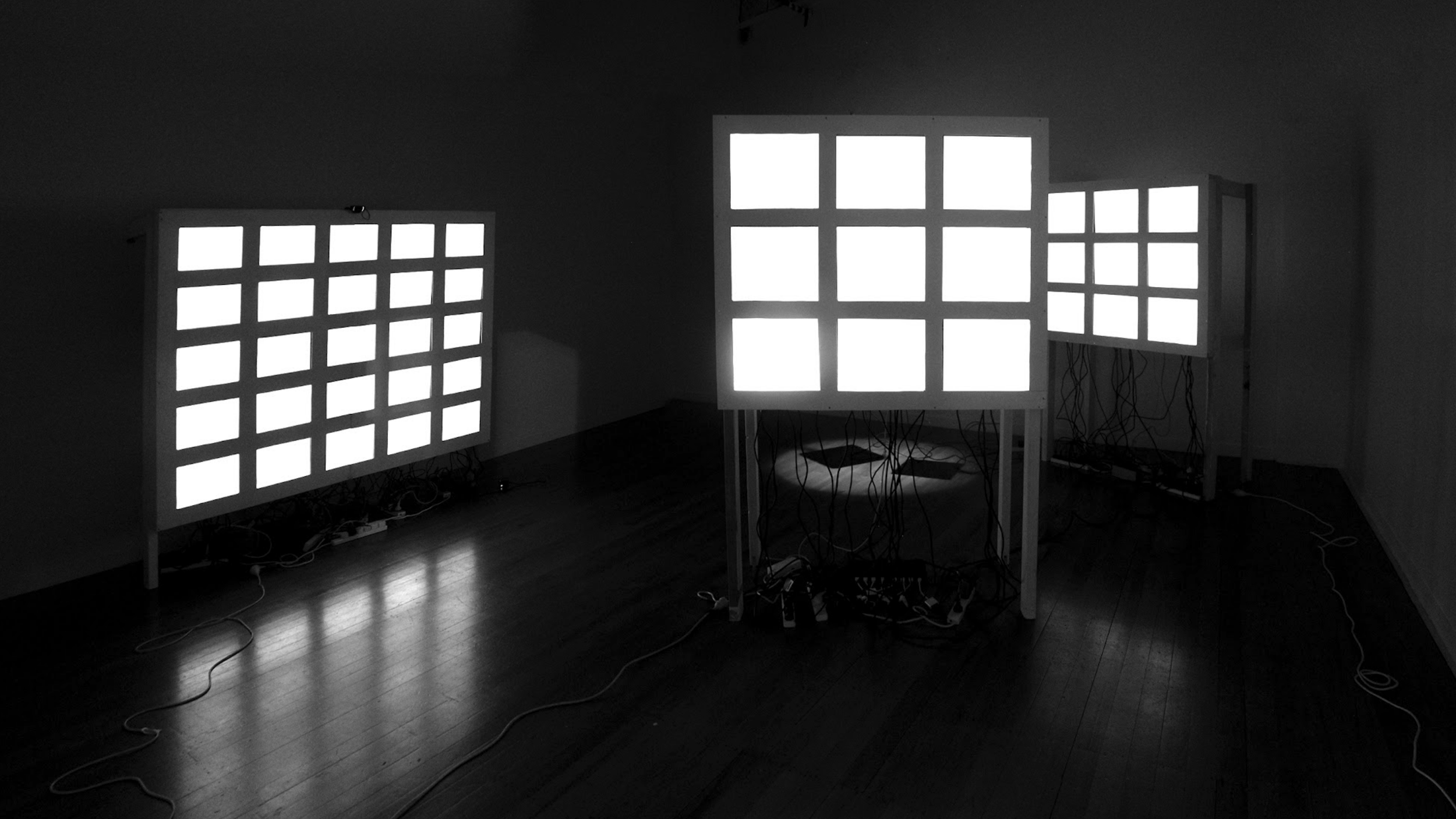
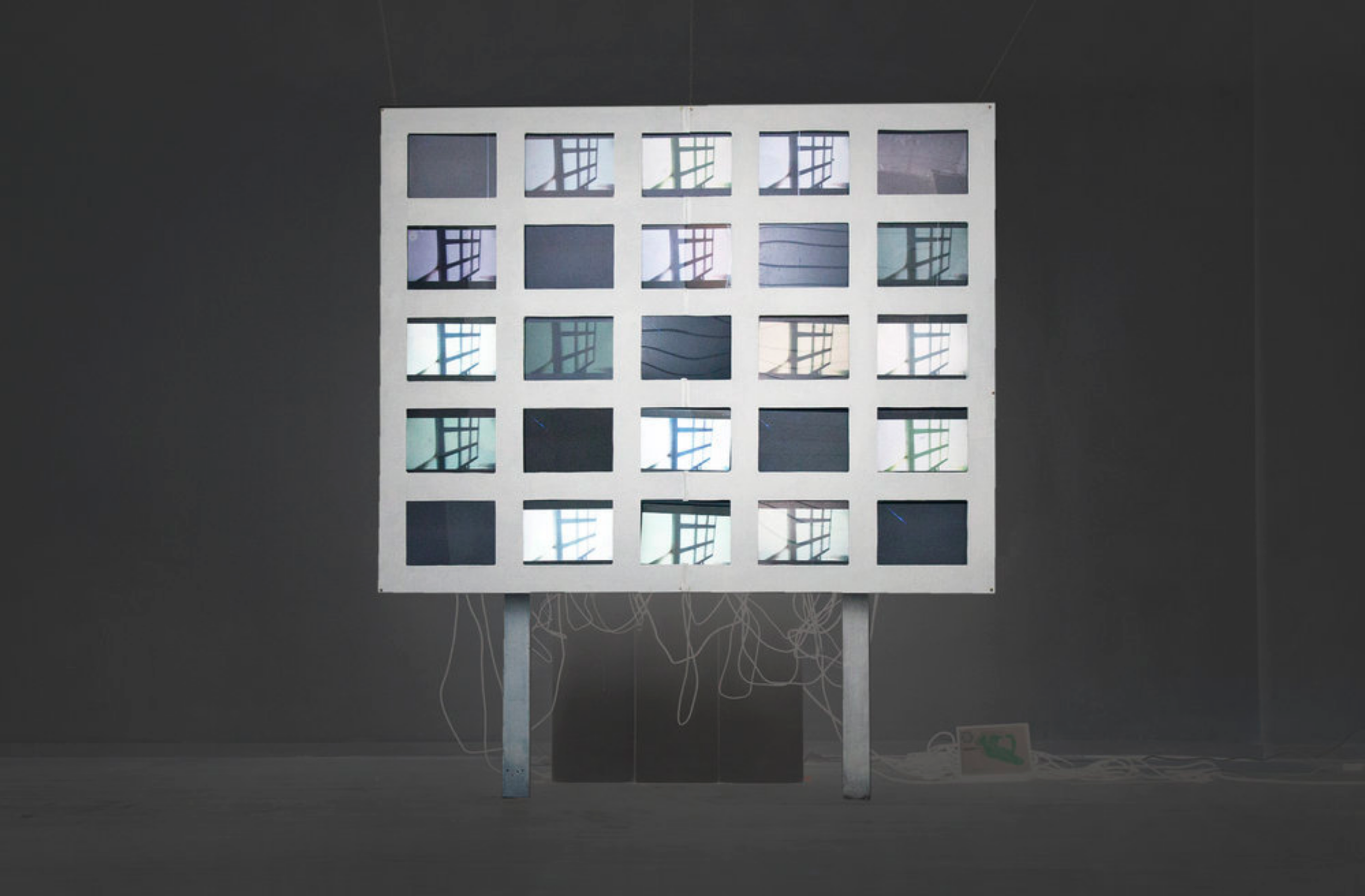
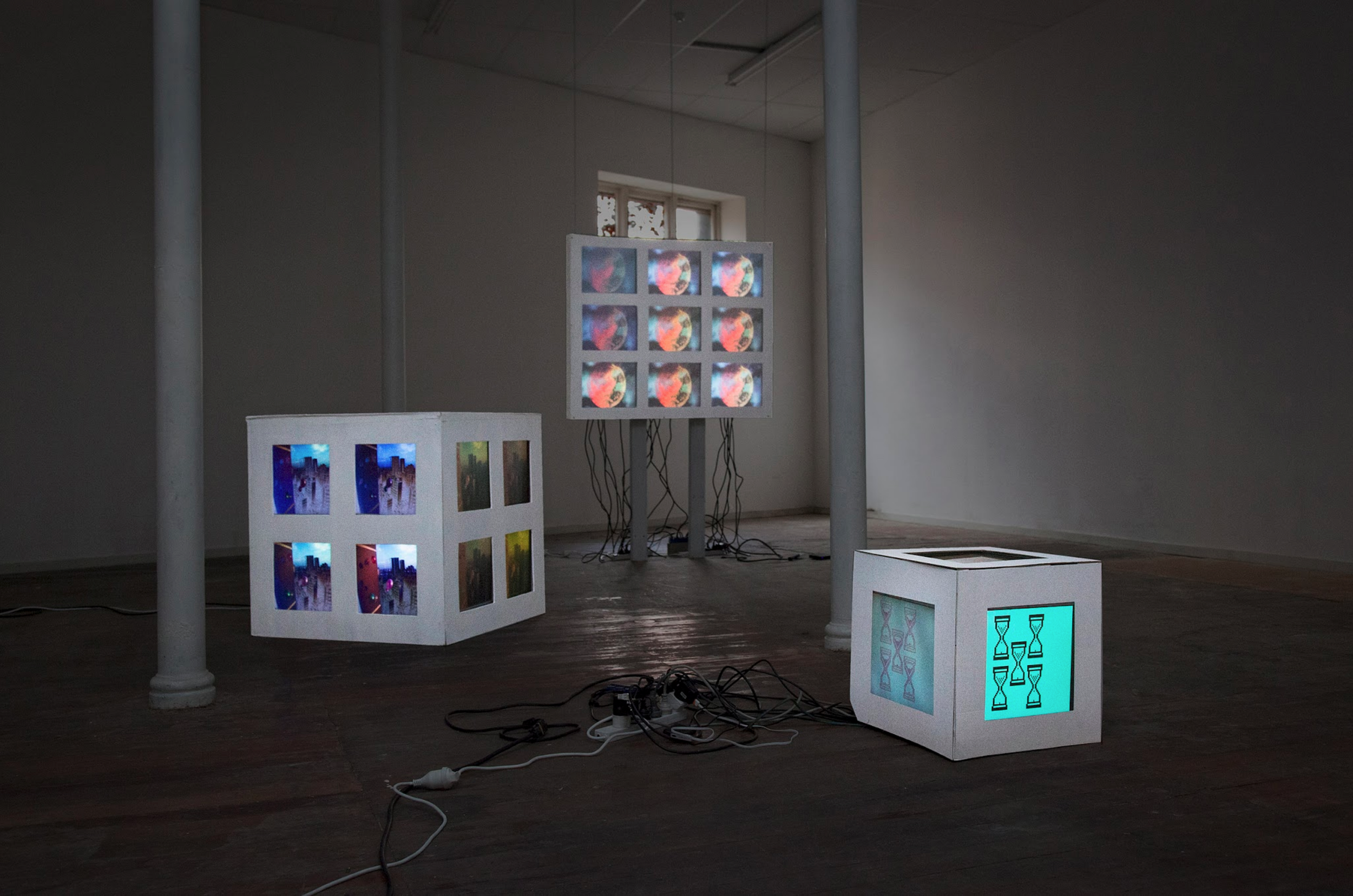
This installation contains over 60 discarded lcd screens, hacked to have content visible only when a special headset is worn. To the naked eye, the screens are blank and silent, but through a headset visuals and audio appear. Cameras in the headsets provide some of the visual content creating feedback loops, and the audio is comprised of live loops taken from the room sound. With only two helmets available, the viewing experience is very isolating for the viewer as they become immersed in the echo chamber.
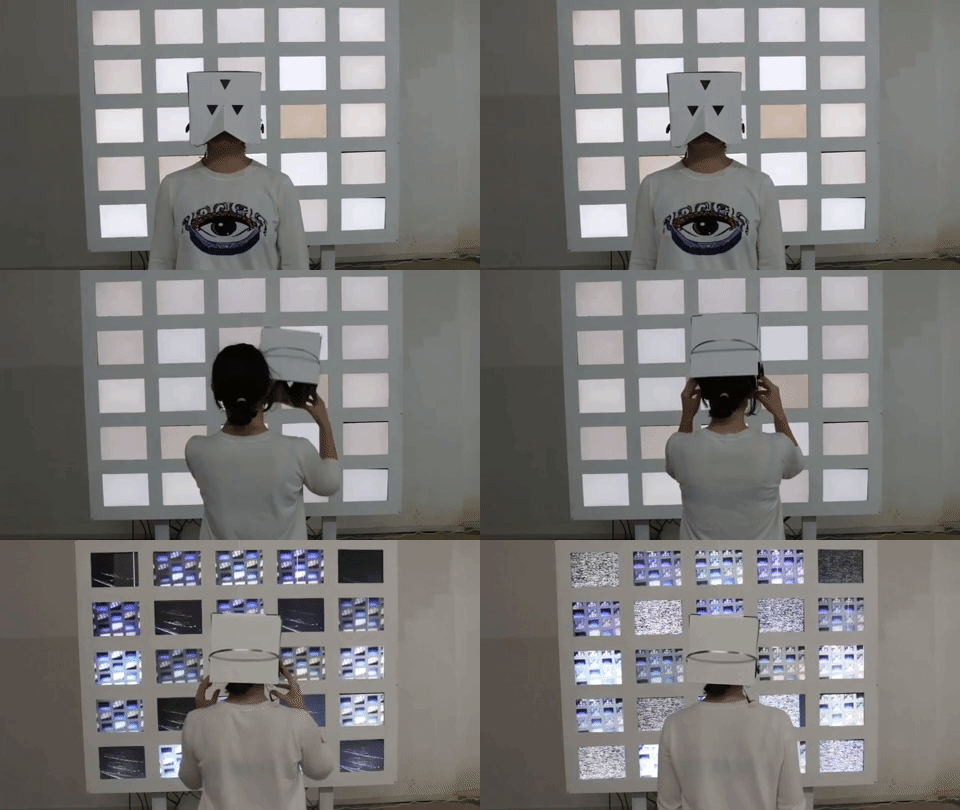
WHAT THE GENERAL AUDIENCE CAN SEE
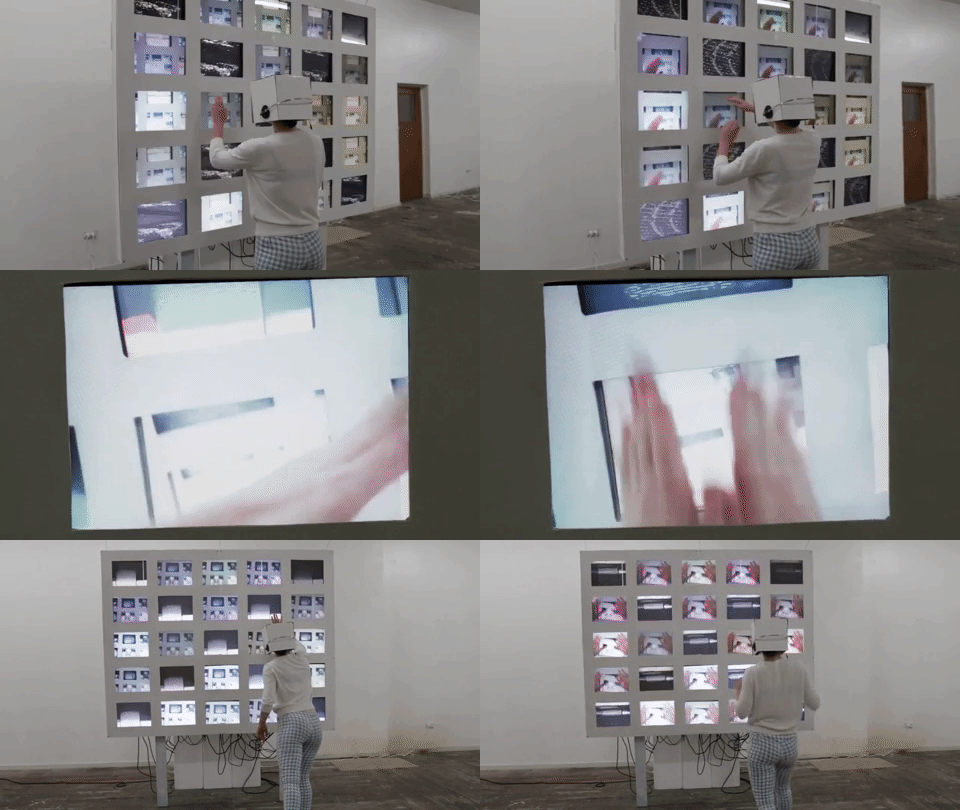
THE HIDDEN WORLD THE PARTICIPANT CAN SEE:
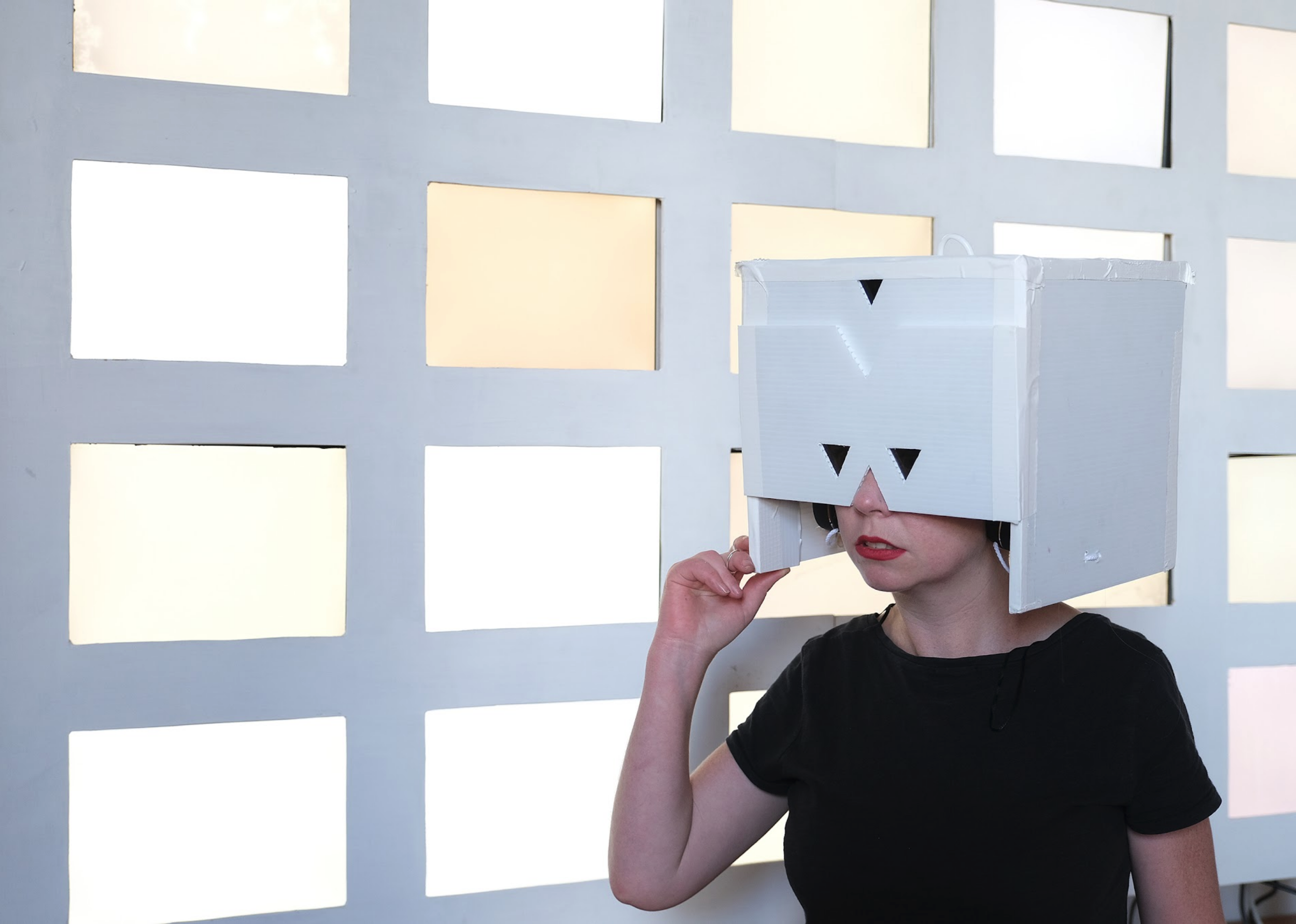
LOW-FI HEADSETS
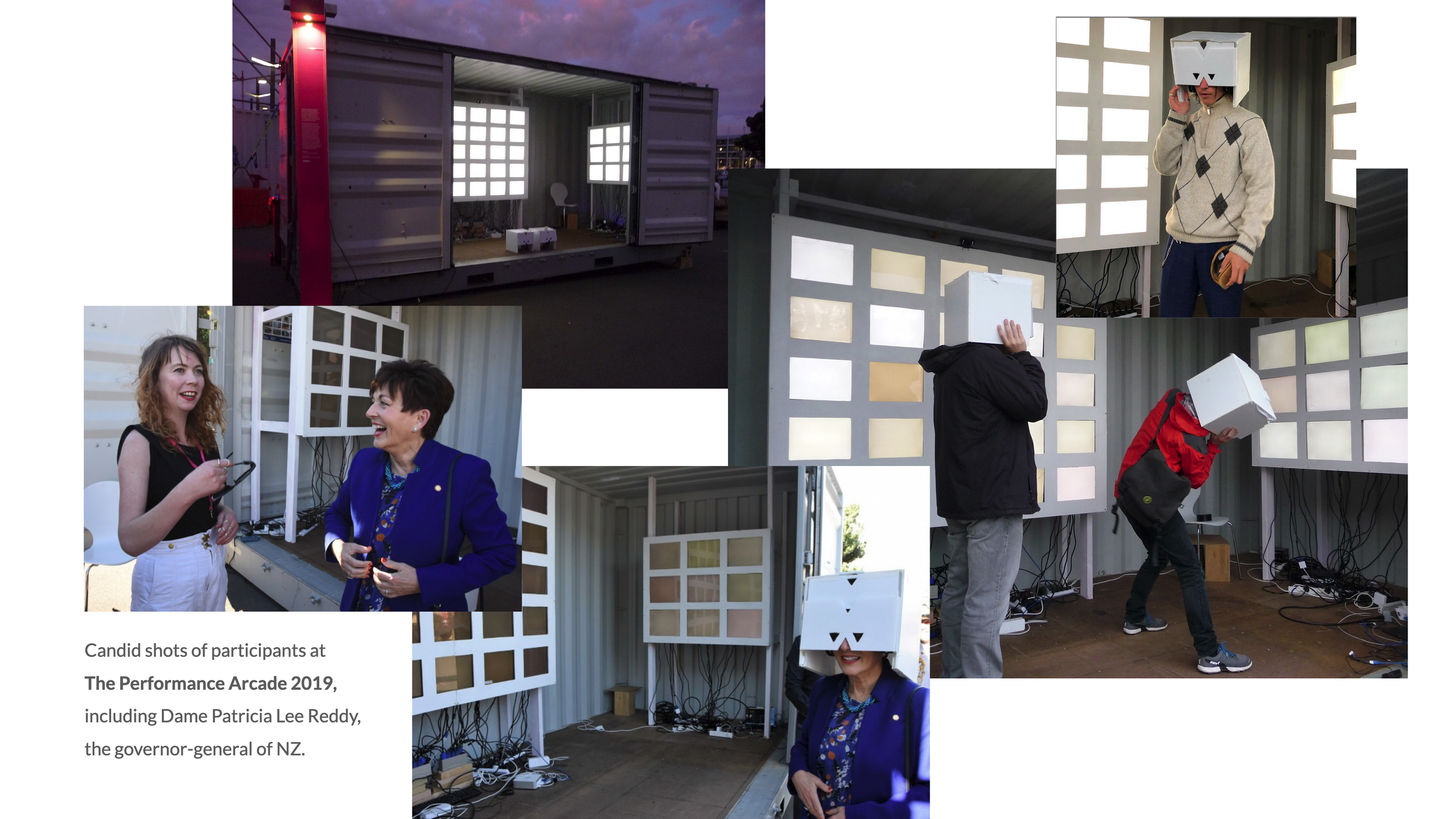
The headsets were deliberately designed to be cardboard boxes – as a tribute to childhood imagination games, and in an exercise of low-fi DIY augmented reality.
They were also designed to block the viewer from the ‘real world’, and create a barrier between the people viewing the artwork, and any other spectators. This resulted in the participants appearing as if they were part of the performance, simultaneously shrouded in mystery and comical action.
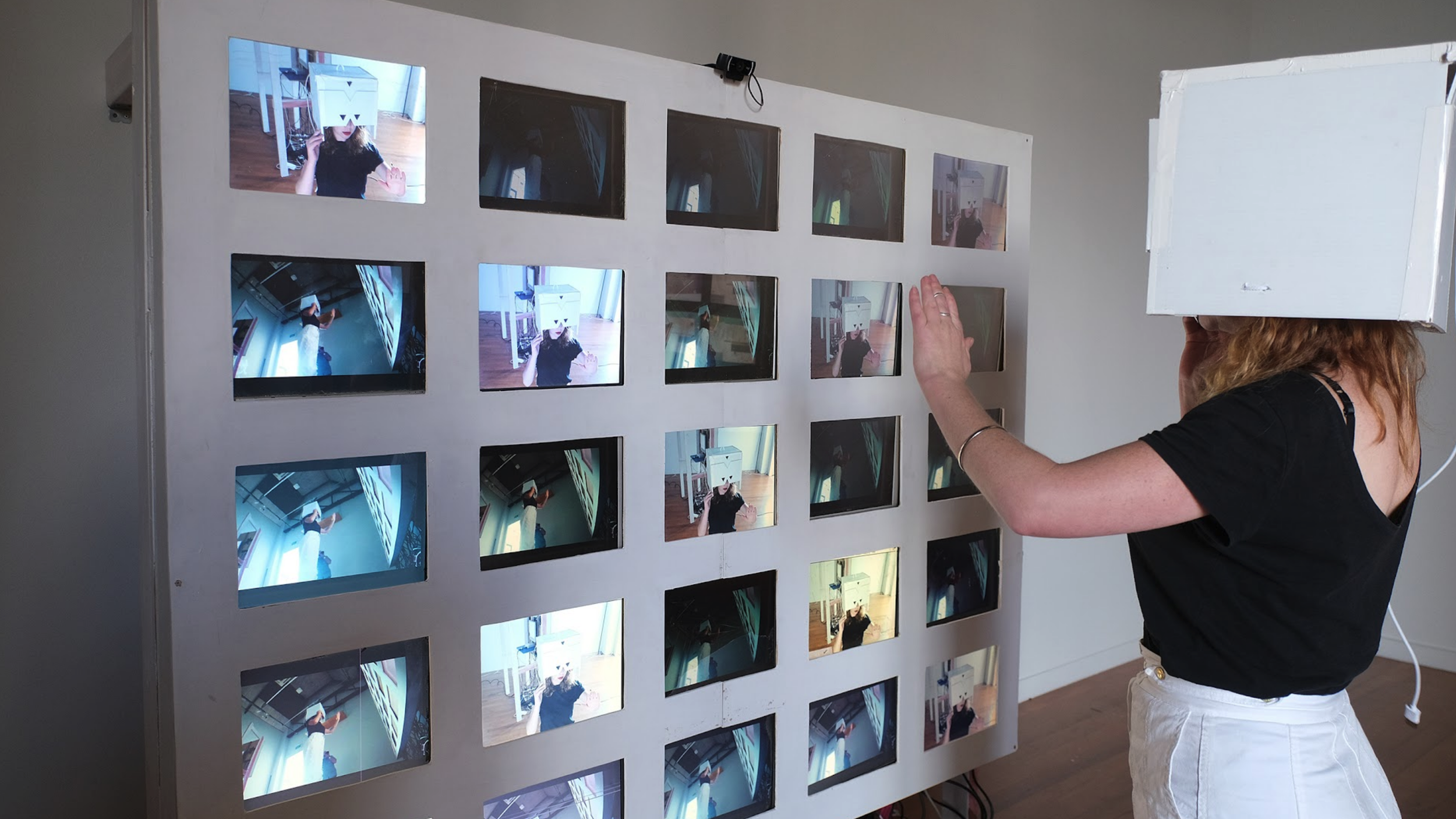
HOW IT WORKS:
Low fi, hands on Hacking: I removed the top polarising filter from each screen. This makes the content on the screens invisible, unless you look through a piece of the polarization filter – which I inserted into the headsets.
ITERATIONS AND DEVELOPMENTS:
I-Project Space, Beijing, 2015, as an experiment on censorship within the arts community, and issues of E-Waste.
Gig City & Urban Dream Brokerage commissioned development & Exhibition. Dunedin, 2018.
The Performance Arcade, Wellington 2019 – developed with a focus on surveillance and self image.
Ramp Gallery, Hamilton, 2019 – developed site specific video and sound component.
Second Unit’s What you do in the Shadows – Commission for use as ’vampire vision’ in immersive theatre, Circa Theatre 2019
PROJECT DESCRIPTION:
This installation contains over 60 discarded lcd screens, hacked to have content visible only when a special headset is worn. To the naked eye, the screens are blank and silent, but through a headset visuals and audio appear. Cameras in the headsets provide some of the visual content creating feedback loops, and the audio is comprised of live loops taken from the room sound. With only two helmets available, the viewing experience is very isolating for the viewer as they become immersed in the echo chamber.
WHAT THE GENERAL AUDIENCE CAN SEE:
THE HIDDEN WORLD THE PARTICIPANT CAN SEE:
LOW-FI HEADSETS
The headsets were deliberately designed to be cardboard boxes – as a tribute to childhood imagination games, and in an exercise of low-fi DIY augmented reality.
They were also designed to block the viewer from the ‘real world’, and create a barrier between the people viewing the artwork, and any other spectators. This resulted in the participants appearing as if they were part of the performance, simultaneously shrouded in mystery and comical action.
HOW IT WORKS:
Low fi, hands on Hacking: I removed the top polarising filter from each screen. This makes the content on the screens invisible, unless you look through a piece of the polarization filter – which I inserted into the headsets.
ITERATIONS AND DEVELOPMENTS:
I-Project Space, Beijing, 2015, as an experiment on censorship within the arts community, and issues of E-Waste.
Gig City & Urban Dream Brokerage commissioned development & Exhibition. Dunedin, 2018.
The Performance Arcade, Wellington 2019 – developed with a focus on surveillance and self image.
Ramp Gallery, Hamilton, 2019 – developed site specific video and sound component.
Second Unit’s What you do in the Shadows – Commission for use as ’vampire vision’ in immersive theatre, Circa Theatre 2019